

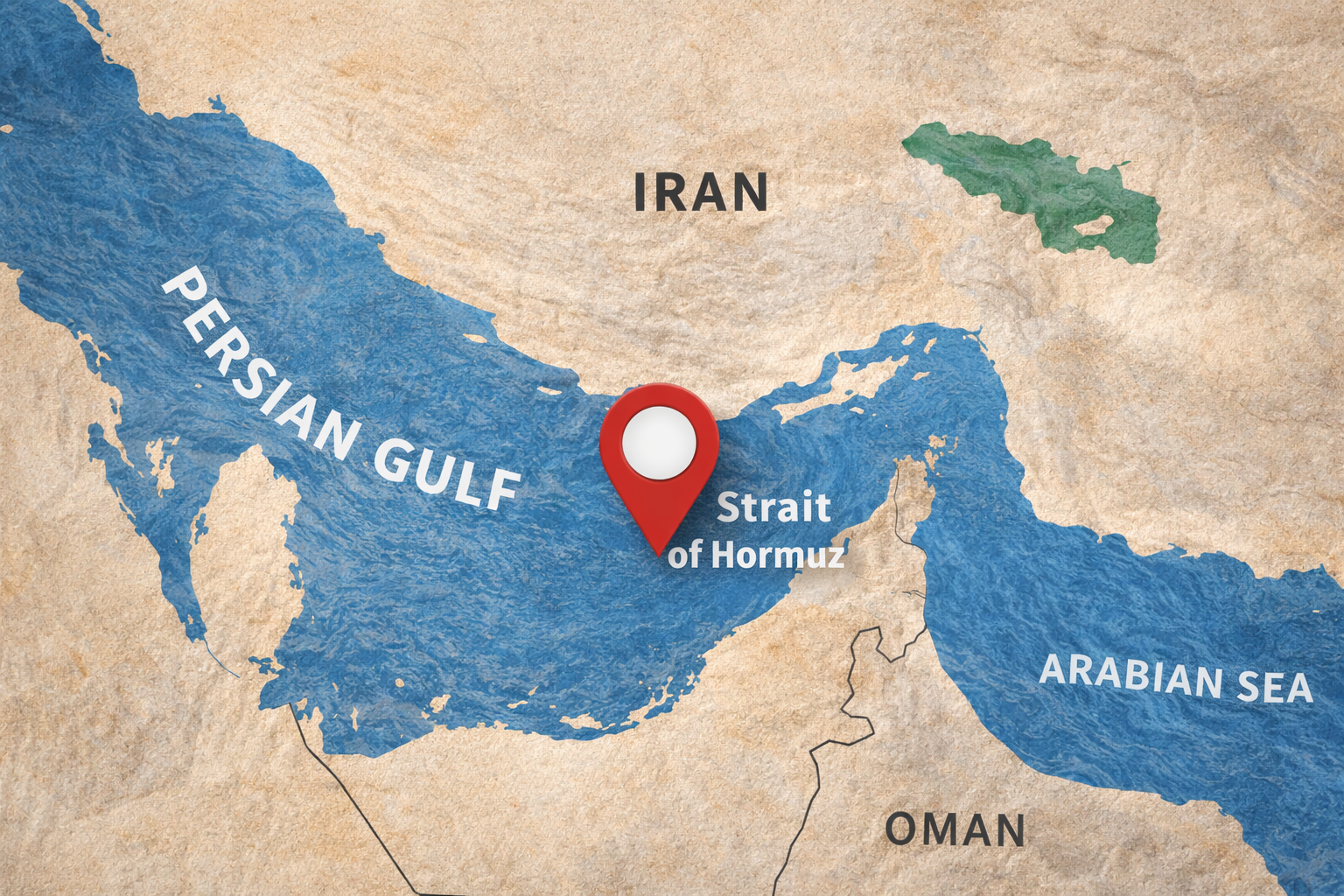
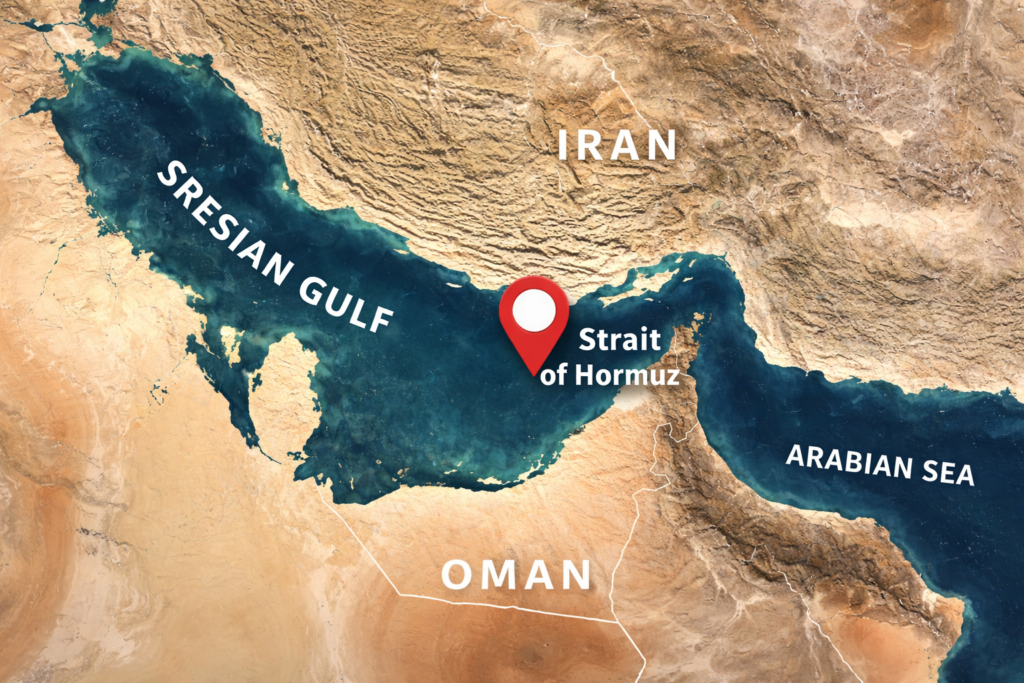
The Strait of Hormuz is one of the most important maritime routes in the world for global energy trade. It is a narrow waterway located between Iran and Oman, connecting the Persian Gulf with the Arabian Sea and the Indian Ocean. This strategic location makes it a critical passage for oil tankers transporting crude oil from major Middle Eastern producers to international markets.
A significant portion of the world’s oil supply passes through this strait every day. Experts estimate that around 20% of the global crude oil supply is transported through the Strait of Hormuz. Major oil-producing countries such as Saudi Arabia, Iraq, Kuwait, the United Arab Emirates, and Iran export much of their crude oil through this route. Because of this heavy traffic, the strait is often considered the most important oil transit chokepoint in the world.
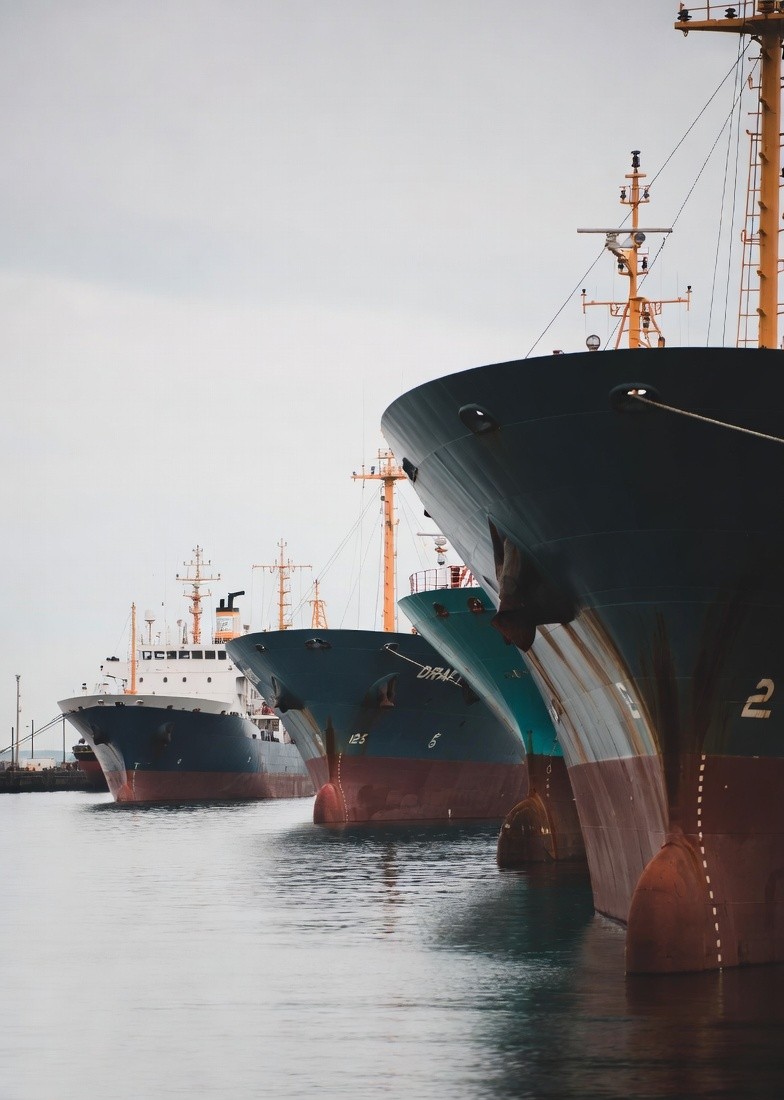
For countries like India, China, Japan, and South Korea, the Strait of Hormuz is extremely important because a large share of their imported oil comes from the Middle East. Any disruption in this route—due to political tensions, military conflicts, or blockades—can affect global oil prices and energy supplies. Even small disturbances in this region can lead to sudden increases in fuel prices across the world.
The Strait of Hormuz is also strategically significant from a geopolitical perspective. Many global powers closely monitor activities in this region to ensure safe navigation and stable energy supply. As long as the world depends heavily on Middle Eastern oil, the Strait of Hormuz will remain one of the most vital and sensitive trade routes in the global energy market.








Leave a Reply