

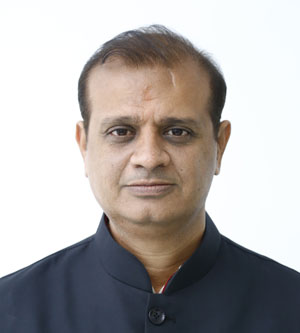
Introduction to Mihir Kotecha
Political Background and Rise in Mumbai Politics
Mumbai is a city that constantly evolves. Every year new roads, metro lines, flyovers, and redevelopment projects reshape the urban landscape. In such a fast-moving environment, local leadership plays an important role in ensuring that development projects are implemented responsibly and efficiently. One such political figure who has been active in Mumbai’s eastern suburbs is Mihir Kotecha, a Member of the Legislative Assembly representing the Mulund constituency.
Mihir Kotecha belongs to the Bharatiya Janata Party and gained significant political recognition after winning the Mulund Assembly seat in the 2019 Maharashtra Legislative Assembly election. His political journey has been largely associated with urban development issues, civic governance, and infrastructure monitoring. Over the years, he has positioned himself as a representative who actively raises concerns related to public infrastructure, environmental management, and municipal accountability.
In Mumbai’s political environment, MLAs often act as a bridge between residents and government agencies. Kotecha has followed a similar approach by engaging with civic bodies, monitoring infrastructure projects, and addressing complaints raised by citizens. His supporters often describe him as a leader who regularly visits project sites and interacts directly with officials to address local issues.
The political environment in Mumbai can be challenging because multiple agencies are involved in development projects, including municipal authorities, state government departments, and metropolitan planning organizations. This complexity sometimes results in delays, cost overruns, or quality concerns. Kotecha has attempted to address these issues by demanding accountability and conducting inspections of ongoing development work in his constituency.
Representation of Mulund Constituency
Mulund is located in the northeastern part of Mumbai and serves as an important link between Mumbai city and neighboring areas such as Thane. The region has experienced rapid urban growth over the past two decades, leading to increased demand for better infrastructure, transportation, and housing. As a result, the role of the local MLA becomes crucial in ensuring that development keeps pace with population growth.
The constituency faces several urban challenges including traffic congestion, aging buildings, and environmental concerns related to construction activities. Addressing these challenges requires constant coordination between the state government, municipal authorities, and infrastructure agencies.
During his tenure, Mihir Kotecha has focused on issues such as road development, metro construction monitoring, redevelopment policies, and pollution control. His involvement often includes visiting construction sites, interacting with civic officials, and raising concerns about project quality or environmental violations when necessary.
In addition to infrastructure matters, residents frequently approach their MLA with everyday civic problems such as damaged roads, water supply issues, and garbage management. Handling these concerns requires continuous communication with local authorities and administrative departments. Kotecha’s approach to governance has involved direct engagement with citizens as well as raising policy-level issues that affect long-term development in the area.
Key Development Projects in Mulund and Eastern Mumbai
Infrastructure Development Initiatives
Infrastructure development is essential for the growth of any major city, and Mumbai is no exception. With a population exceeding 20 million in the metropolitan region, the need for efficient roads, bridges, and transport networks continues to increase. In Mulund and surrounding areas, several large infrastructure projects have been initiated to improve connectivity and reduce travel time.
Mihir Kotecha has taken an active interest in monitoring these projects and ensuring that they are implemented properly. One of the important projects affecting the region is the Goregaon–Mulund Link Road (GMLR), which is expected to significantly improve east-west connectivity across Mumbai. The project aims to create a faster route between the eastern suburbs and western parts of the city, reducing traffic congestion and travel time for thousands of commuters.
Large infrastructure projects often involve complex construction processes and significant financial investment. Because of this, oversight becomes necessary to ensure that public funds are used efficiently. Kotecha has raised concerns about construction quality and environmental impact in certain cases, arguing that development should not compromise safety or environmental standards.
In addition to monitoring large projects, he has also emphasized the importance of maintaining existing infrastructure. Roads, footpaths, drainage systems, and public facilities require regular maintenance to remain functional. By raising questions about infrastructure spending and construction quality, Kotecha has attempted to promote transparency in the implementation of civic projects.
Road Connectivity and Civic Infrastructure
Road connectivity remains one of the most important issues affecting residents of Mumbai’s suburbs. Increasing vehicle numbers and limited road space often result in traffic congestion, particularly during peak hours. In areas like Mulund, improving road infrastructure is essential to support economic activity and daily commuting.
Mihir Kotecha has frequently raised concerns about road construction and maintenance carried out by municipal authorities. He has demanded greater transparency regarding how public funds are allocated for road development and repairs. According to his statements, large amounts of money are spent on road construction projects every year, yet residents often continue to face problems such as potholes and damaged roads.
The demand for a comprehensive review of road spending has been one of the major points raised by him in public discussions. By calling for greater transparency, he has attempted to highlight the need for better planning and monitoring of civic infrastructure projects.
Road connectivity projects like the Goregaon–Mulund Link Road are expected to play a major role in transforming transportation in Mumbai. Once completed, such corridors will help reduce travel time between different parts of the city and improve access to business and residential areas.
Public Transport and Metro Development
Monitoring of Metro Line-4 Construction
Mumbai’s metro network is one of the largest urban transportation projects currently underway in India. The development of multiple metro lines is aimed at reducing traffic congestion and providing faster commuting options for millions of residents.
One of the key projects affecting Mulund is Metro Line-4, which connects Wadala in Mumbai to Kasarvadavali in Thane. This corridor passes through important areas including Bhandup and Mulund, making it highly relevant for residents of the eastern suburbs.
During the construction of this metro line, Mihir Kotecha conducted several inspections along Lal Bahadur Shastri Road, a major route in the area. During these visits, he highlighted issues related to construction debris, damaged footpaths, and safety concerns at work sites. According to observations made during these inspections, several locations along the road had accumulated construction waste that required immediate attention.
In addition to raising environmental concerns, he also supported the idea of conducting independent safety and quality audits of large infrastructure projects. Such audits can help identify potential risks and ensure that construction work meets the required standards.
Public transport projects like Metro Line-4 are essential for the long-term development of Mumbai. However, their construction can temporarily disrupt daily life for residents due to road closures, dust pollution, and noise. By raising concerns and requesting corrective measures, Kotecha has attempted to ensure that construction activities remain safe and properly managed.
Environmental and Pollution Control Efforts
Addressing Air Pollution in Mulund
Air pollution has become a growing concern in many parts of Mumbai, particularly in areas where large infrastructure projects are underway. Construction work can generate dust and debris, which may affect air quality and create health concerns for residents living nearby.
Mihir Kotecha has repeatedly raised the issue of air pollution in Mulund, especially in connection with construction activities related to metro development and road projects. During inspections, he pointed out that improper handling of construction material and debris can significantly worsen pollution levels in the area.
Residents have also expressed concerns about dust accumulation on roads and footpaths near construction zones. Addressing these issues requires strict enforcement of environmental guidelines such as covering construction materials, using water sprinklers to control dust, and ensuring proper waste disposal.
Inspection of Construction Sites
A notable aspect of Kotecha’s approach to governance has been his emphasis on on-ground inspections. Instead of relying only on official reports, he has visited project sites to observe conditions directly. These inspections often involve discussions with contractors, engineers, and municipal officials responsible for the project.
Such site visits can help identify problems that may not always appear in written reports. For example, damaged footpaths, debris accumulation, or inadequate safety barriers can pose risks to pedestrians and motorists. By bringing these issues to the attention of authorities, he has attempted to ensure that corrective action is taken promptly.
Urban Redevelopment and Housing Policy Advocacy
Demand for Redevelopment Policy in Suburban Areas
Mumbai faces a serious challenge when it comes to aging buildings. Many residential structures across the city were built decades ago and require redevelopment to meet modern safety standards. While redevelopment policies exist for certain categories of buildings, suburban areas often face legal and administrative obstacles that slow down redevelopment projects.
Mihir Kotecha has advocated for extending redevelopment policies that apply to older buildings in South Mumbai to suburban regions such as Mulund and Bhandup. His argument is that many buildings in these areas are also old and require modernization, yet the current policy framework does not adequately support redevelopment.
Improving Living Conditions in Old Buildings
Redevelopment can significantly improve living conditions by replacing outdated buildings with modern structures that include better safety features, improved sanitation systems, and modern infrastructure. It can also increase housing supply in densely populated areas.
By advocating policy changes that encourage redevelopment in suburban areas, Kotecha has attempted to address both safety concerns and housing shortages. Such reforms could potentially benefit thousands of residents living in older buildings that require structural upgrades.
Accountability and Transparency in Civic Administration
Allegations of Irregularities in Civic Projects
Public accountability is a critical aspect of governance in any major city. With large infrastructure budgets and numerous contractors involved in civic projects, maintaining transparency becomes essential. Mihir Kotecha has raised concerns regarding certain municipal projects and questioned whether public funds are being used efficiently.
He has criticized certain civic proposals related to city beautification and street furniture projects, arguing that such expenditures should be carefully evaluated before approval. His statements emphasize the importance of prioritizing essential infrastructure and public services over unnecessary spending.
Demand for White Paper on Road Spending
One of the notable demands raised by Kotecha has been the call for a detailed report on municipal road expenditure over the past several years. According to his argument, a transparent review of past spending would help identify potential inefficiencies and improve future planning.
Such discussions are important because road construction and maintenance form a major portion of the municipal budget. Greater transparency in these expenditures can help build public trust and ensure that funds are used effectively.
Community Engagement and Local Governance
Interaction with Residents and Civic Bodies
Effective governance requires continuous communication between elected representatives and the people they represent. Mihir Kotecha has often engaged with resident associations, local groups, and community leaders to understand the problems faced by citizens.
These interactions allow residents to directly present their concerns related to infrastructure, public services, and environmental issues. By relaying these concerns to government agencies, the MLA can help facilitate solutions and ensure that authorities remain responsive to public needs.
Handling Public Complaints and Infrastructure Issues
Handling public complaints is an essential part of constituency management. Residents frequently report problems such as broken roads, blocked drainage systems, or construction disturbances. Addressing these issues requires coordination with multiple departments and agencies.
Kotecha has used inspections, meetings with officials, and public statements to highlight these concerns and push for corrective action. While solving every issue immediately may not always be possible, raising awareness about them can accelerate the response from authorities.
Challenges and Criticism Faced by Mihir Kotecha
Political Controversies and Opposition Criticism
Politics in a large city like Mumbai is naturally competitive. Different political parties often disagree on policies, development priorities, and administrative decisions. As a result, leaders such as Mihir Kotecha frequently face criticism from opponents regarding their actions and statements.
Some critics argue that raising allegations against municipal authorities may sometimes be politically motivated. Others believe that development issues should be addressed through collaborative efforts rather than political confrontation.
Despite these debates, public scrutiny remains an important part of democratic governance. Discussions and disagreements can often lead to better policy decisions and improved transparency.
Impact of His Work on Mumbai’s Development
Improvements in Infrastructure and Public Accountability
Evaluating the impact of a political leader’s work requires examining both policy influence and on-ground development. Mihir Kotecha’s tenure as MLA has involved active participation in discussions related to infrastructure development, environmental protection, and civic accountability.
By inspecting construction projects, raising concerns about pollution, and advocating transparency in municipal spending, he has contributed to discussions about responsible urban development. These efforts highlight the importance of monitoring large infrastructure projects and ensuring that development benefits residents while maintaining safety and environmental standards.
Conclusion
The development of Mumbai requires strong coordination between government agencies, local representatives, and citizens. As the MLA of Mulund, Mihir Kotecha has focused on issues related to infrastructure monitoring, redevelopment policy advocacy, and civic transparency. His work has involved raising concerns about construction quality, environmental management, and public spending in municipal projects.
While opinions about political leadership may vary among different groups, active participation in development discussions remains essential for improving urban governance. As Mumbai continues to expand and modernize, the role of elected representatives in ensuring responsible development will remain increasingly important.











Leave a Reply