

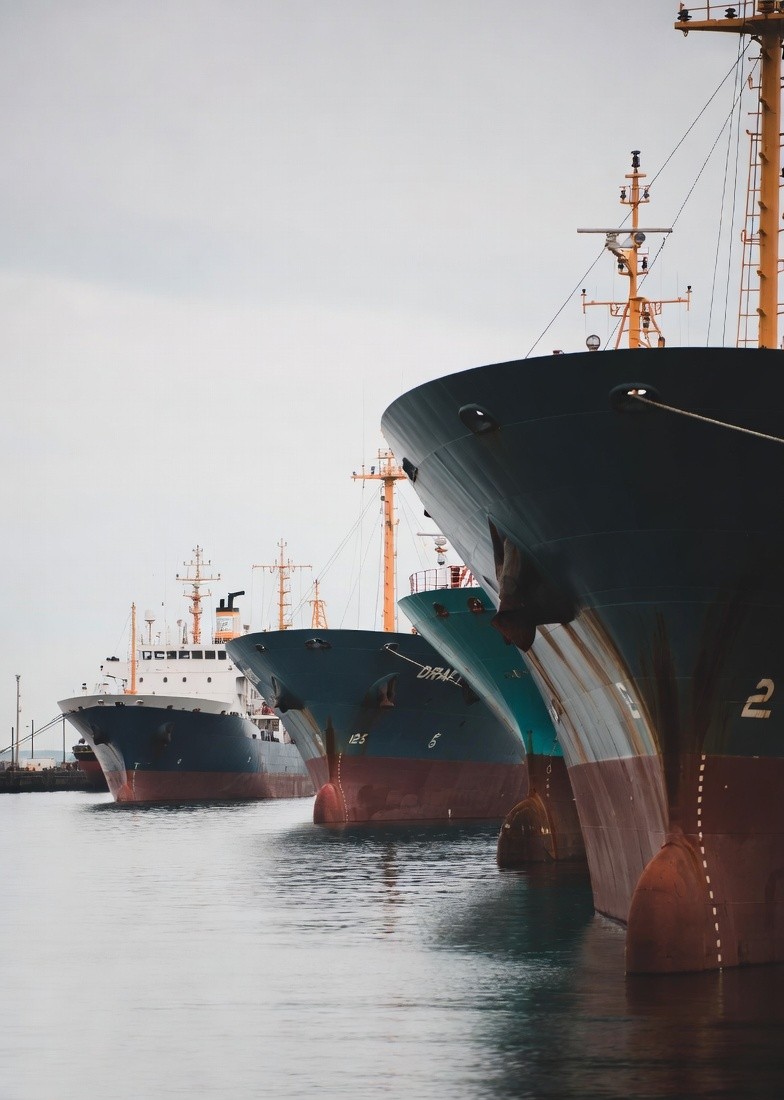
What is a Draft Survey?
A draft survey is a method used to determine the weight of cargo loaded onto or discharged from a vessel. It is commonly applied in bulk cargo operations such as coal, iron ore, grain, and cement.
The process relies on measuring how deep a ship sits in the water (its draft) before and after cargo operations. By calculating the difference in displacement, surveyors can accurately determine the cargo weight.
Why is Draft Survey Important?
Draft surveys are critical in maritime trade for several reasons:
- Accuracy in cargo measurement
- Minimizing financial disputes between buyers and sellers
- Verification of loaded/discharged quantities
- Compliance with international shipping standards
Even a small miscalculation can result in significant financial differences, especially for large bulk shipments.
How Does a Draft Survey Work?
The draft survey process involves several steps:
1. Initial Draft Reading
Surveyors measure the ship’s draft at six points:
- Forward (Port & Starboard)
- Midship (Port & Starboard)
- Aft (Port & Starboard)
2. Density Measurement
The density of the water is measured using a hydrometer, as it affects buoyancy.
3. Displacement Calculation
Using the vessel’s hydrostatic tables, the displacement is determined.
4. Corrections Applied
Adjustments are made for:
- Trim
- List
- Ballast water
- Fuel oil
- Freshwater
- Constant (unaccounted weights)
5. Final Draft Reading
After cargo operations, the process is repeated.
6. Cargo Calculation
Cargo weight = Final displacement – Initial displacement ± corrections
Key Terms You Should Know
- Draft: Vertical distance between waterline and keel
- Displacement: Total weight of water displaced by the vessel
- Trim: Difference between forward and aft draft
- List: Side-to-side tilt of the vessel
- Deadweight Tonnage (DWT): Maximum weight a ship can carry
Common Errors in Draft Survey
Some common mistakes include:
- Incorrect draft readings due to waves or poor visibility
- Wrong water density measurements
- Ignoring trim/list corrections
- Errors in tank soundings
Proper training and experience are essential to minimize these errors.
Advantages of Using Draft Survey
- Cost-effective compared to weighbridges
- Suitable for large bulk cargo
- Widely accepted in international trade
- Can be conducted at most ports
Download Draft Survey Excel Template
To make calculations easier, you can use a ready-made Excel sheet.









Leave a Reply